
Tuesday, 29 April 2014

Sunday, 27 April 2014


Monday, 21 April 2014

Monday, 14 April 2014

Saturday, 12 April 2014

Monday, 10 March 2014
Богиня из пузырей
Под яблоневым
древом:
Там Я взял тебя для Себя,
Там Я предложил тебе Мою руку,
И восставил тебя
Там, где вкусила тлен твоя мать.
(св. Иоанн Креста, "Гимн")
Сон
Она думает о поездке к матери, в страну, из которой она уехала уже давно. Она думает об этом не потому, что она скучает по матери (отнюдь нет, к ее острому стыду), а из-за того, что родителей полагается навещать, это само сабой разумеется, разве не так? Однако, когда она начинает представлять себя, садящуюся в самолет, все тело ее напрягается, а желудок сводит судорогой. Она видит себя, меряющую шагами азиатский аэропорт на полпути, в ожидании следующего, последнего самолета к месту назначения. Ее эмоции ничем не отличаются от тех, что испытывают изнасилованные или взятые в заложники: "Почему я не свернула в другой переулок, почему не спаслась бегством, когда интуиция кричала "беги!"? Она сидит в замороженой позе, только ум ее несется по кругу: "Что это, откуда такой ужасный страх? Это же моя мать, моя мать, а не убийца (что я такое говорю?) – она меня любит! И я всегда ее любила. Я сошла с ума." В конце концов она бронирует билет.
Перед отъездом она видит сон: всемогущая, чудовищных размеров, богиня убивает ее мужа для того, чтобы затем пожрать ее саму. Ландшафт ее сна представляет собой иссохшую, в огромных трещинах, землю; там и сям, на фоне абсолютно черного неба, чадят оранжевые костры. На сухой земле вокруг богини лежат маленькие сухие человеческие скелеты. Черный, желтый, оранжевый и кроваво-красный цвета доминируют в апокалиптическом пейзаже. Всемогущая богиня – ее мать.
Там Я взял тебя для Себя,
Там Я предложил тебе Мою руку,
И восставил тебя
Там, где вкусила тлен твоя мать.
(св. Иоанн Креста, "Гимн")
Сон
Она думает о поездке к матери, в страну, из которой она уехала уже давно. Она думает об этом не потому, что она скучает по матери (отнюдь нет, к ее острому стыду), а из-за того, что родителей полагается навещать, это само сабой разумеется, разве не так? Однако, когда она начинает представлять себя, садящуюся в самолет, все тело ее напрягается, а желудок сводит судорогой. Она видит себя, меряющую шагами азиатский аэропорт на полпути, в ожидании следующего, последнего самолета к месту назначения. Ее эмоции ничем не отличаются от тех, что испытывают изнасилованные или взятые в заложники: "Почему я не свернула в другой переулок, почему не спаслась бегством, когда интуиция кричала "беги!"? Она сидит в замороженой позе, только ум ее несется по кругу: "Что это, откуда такой ужасный страх? Это же моя мать, моя мать, а не убийца (что я такое говорю?) – она меня любит! И я всегда ее любила. Я сошла с ума." В конце концов она бронирует билет.
Перед отъездом она видит сон: всемогущая, чудовищных размеров, богиня убивает ее мужа для того, чтобы затем пожрать ее саму. Ландшафт ее сна представляет собой иссохшую, в огромных трещинах, землю; там и сям, на фоне абсолютно черного неба, чадят оранжевые костры. На сухой земле вокруг богини лежат маленькие сухие человеческие скелеты. Черный, желтый, оранжевый и кроваво-красный цвета доминируют в апокалиптическом пейзаже. Всемогущая богиня – ее мать.
Sunday, 9 March 2014
The Bubble Deity
Beneath the
apple tree:
There I took you for My own,
There I offered you My hand,
And restored you,
Where your mother was corrupted.
(St John of the Cross, ‘The Spiritual Canticle’)
The dream
She is thinking about visiting her mother, in the country she left long ago. She is considering this not because she misses her mother (she does not, to her acute shame) but because she has to – she is supposed to, isn’t she? But when she imagines herself embarking a plane she feels sick in her stomach. She sees herself walking in an Asian airport halfway there, waiting for the next, final plane to her destination. Her emotions are identical to those of someone who has been kidnapped or raped, “Why did not I chose another street, why did I not I run away when my intuition was screaming “run!”?” She is sitting, frozen, only her mind is rushing in circles “What is this, why this awful fear? – It is my mother, she is not a murderer – she loves me! And I have always loved her. I am mad.” Eventually she books the ticket.
Before her trip she has a dream: an all-powerful, enormous female deity kills her husband in order to devour her. The dreamscape is the dry land, cracks in the soil, orange smoky fires here and there against the totally black sky. On the dry ground, around the deity are small dry human skeletons. Black, yellow, bloody red colours dominate the apocalyptic landscape. The all-powerful deity is her mother.
There I took you for My own,
There I offered you My hand,
And restored you,
Where your mother was corrupted.
(St John of the Cross, ‘The Spiritual Canticle’)
The dream
She is thinking about visiting her mother, in the country she left long ago. She is considering this not because she misses her mother (she does not, to her acute shame) but because she has to – she is supposed to, isn’t she? But when she imagines herself embarking a plane she feels sick in her stomach. She sees herself walking in an Asian airport halfway there, waiting for the next, final plane to her destination. Her emotions are identical to those of someone who has been kidnapped or raped, “Why did not I chose another street, why did I not I run away when my intuition was screaming “run!”?” She is sitting, frozen, only her mind is rushing in circles “What is this, why this awful fear? – It is my mother, she is not a murderer – she loves me! And I have always loved her. I am mad.” Eventually she books the ticket.
Before her trip she has a dream: an all-powerful, enormous female deity kills her husband in order to devour her. The dreamscape is the dry land, cracks in the soil, orange smoky fires here and there against the totally black sky. On the dry ground, around the deity are small dry human skeletons. Black, yellow, bloody red colours dominate the apocalyptic landscape. The all-powerful deity is her mother.
Sunday, 2 March 2014

Monday, 17 February 2014
14 - 17.02; the first attempt to carve wood
 |
| Jesus Christ Creates the Stars |
 |
| Crusifixion |
[double side icon, 16 x 11 cm]
Friday, 7 February 2014
Names of Jesus
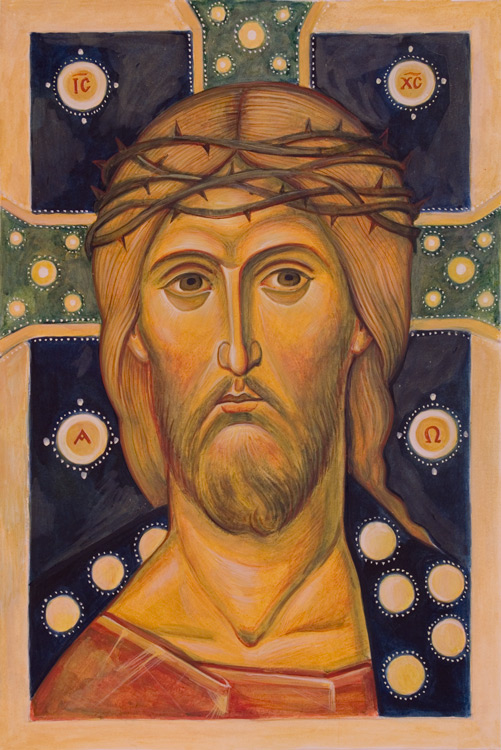
Jesus Christ Beloved My Lord and my God Savior Grapevine
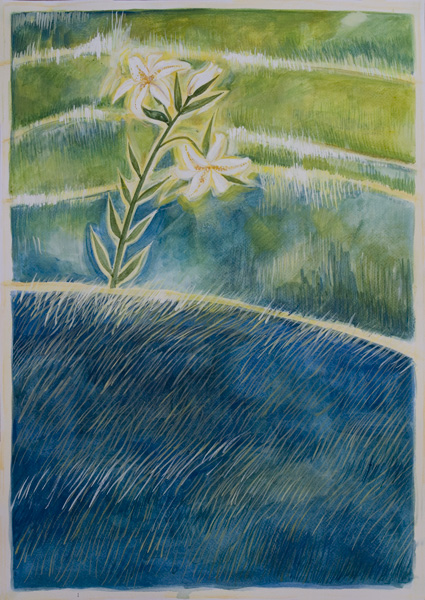
Bridegroom Rose of Sharon Lily of the valleys Light of the world
Living water Faithful and true Lord Messiah Lamb of God
High Priest Physician Rabbi Man of sorrows Logos
Creator of All Things The first and
last, the Alpha and Omega
Sunday, 2 February 2014
Tuesday, 21 January 2014
Thursday, 16 January 2014
Saturday, 11 January 2014
Sunday, 5 January 2014
Боязливое благочестие и "ничто - ничто - ничто" св. Иоанна Креста
Господь и Бог
мой, как может тот, кто ищет Тебя с
бесхитростной и чистой любовью, не найти,
что Ты
–
это все, чего только его душа может желать?
Ты обнаруживаешь себя первым и сам выходишь
встретить тех, кто Тебя ищет.
(Св. Иоанн Креста)
(Св. Иоанн Креста)
Есть
вид благочестия, который тем более
оскорбителен для Бога, чем, чем больше
усилий его адепты прилагают к тому, чтобы
продемонстрировать Богу свое почтение. Это –
так называемое "боязливое благочестие", т.е.
благочестие, порожденное исключительно
страхом.
"Боязливое благочестие" – это отнюдь не
страх Божий, названный в Ветхом Завете
"началом мудрости"[1].
Библейский страх имеет своей целью Бога и
Его познание, поэтому он полностью
сфокусирован на Боге; "боязливое
благочестие" полностью сфокусировано на
самом себе, хотя и использует слово "Бог" не
реже, чем Псалмопевец.
Согласно широко принятой в Христианстве
интерпретации, под библейским страхом Божиим
подразумевается отнюдь не страх наказания, а
страх расстроить любимого. В Писании Бог
неоднократно назван Возлюбленным; этот
эпитет предполагает, что верующий должен
бояться совершить грех, который бы расстроил
Бога (или даже причинил бы Ему страдание), а
также загрязнил душу верующего и, таким
образом, воспрепятствовал его общению с его
Возлюбленным. Заслуживает внимания здесь то,
что, точно также как и влюбленный, будучи
разлученным с предметом его любви, думает
только о нем, согрешивший, потерявший
возможность богообщения не думает о себе, а
думает только о Боге и о своем невыносимом
страдании из-за невозможности видеть
Возлюбленного. Такой верующий не желает
ничего исключительно для себя, он жаждет
только видения Бога и познания Его. Этот
идеал бескорыстных и страстных[2]
отношений между душой и Богом ярко описан в
библейских "Псалмах" и "Песне Песней".
Friday, 3 January 2014
The fearful piety and "Nada – nada – nada" of St John of the Cross
(St John of the Cross)
There is a certain kind of piety which, the more reverence its adepts try to show to God the more offensive it is to Him. This is the “fearful piety”, i.e. the piety that derives entirely from fear.
“Fearful piety” is
certainly not the holy fear of God glorified as
“The fear of the
Lord
is the beginning of wisdom”[1].
Biblical fear is all about God and knowledge of
God and is focused on God; the “fearful piety”
is entirely self-focused although it uses the
word “God” not less frequently than the
Psalmist.
It is the Christian
understanding that the biblical holy fear of God
means the fear of a believer to upset the loved
one (not fear of the loved ones’ retribution).
God is defined as the Beloved in the Scriptures
therefore a believer is supposed to be afraid to
commit a sin which will upset (or even hurt) God
and also pollute the believer’s soul; the latter
would prevents the sinner from seeing his
Beloved. It is noteworthy that, just like a
person in love when separated from the object of
his passion thinks only about her, a sinner who
has lost access to God does not so much think
about himself but focuses on God and on the pain
of his inability to see his Beloved. He does not
want anything purely for himself. He only wants
to see God and to know Him. This kind of holy
ideal, the passionate and selfless relationship
between the soul and God is very vividly
described in the Psalms and ‘Song of Songs’.
Saturday, 21 December 2013

Friday, 15 November 2013

Thursday, 31 October 2013
Wednesday, 16 October 2013


Subscribe to:
Posts (Atom)